

By Frank Kamuntu
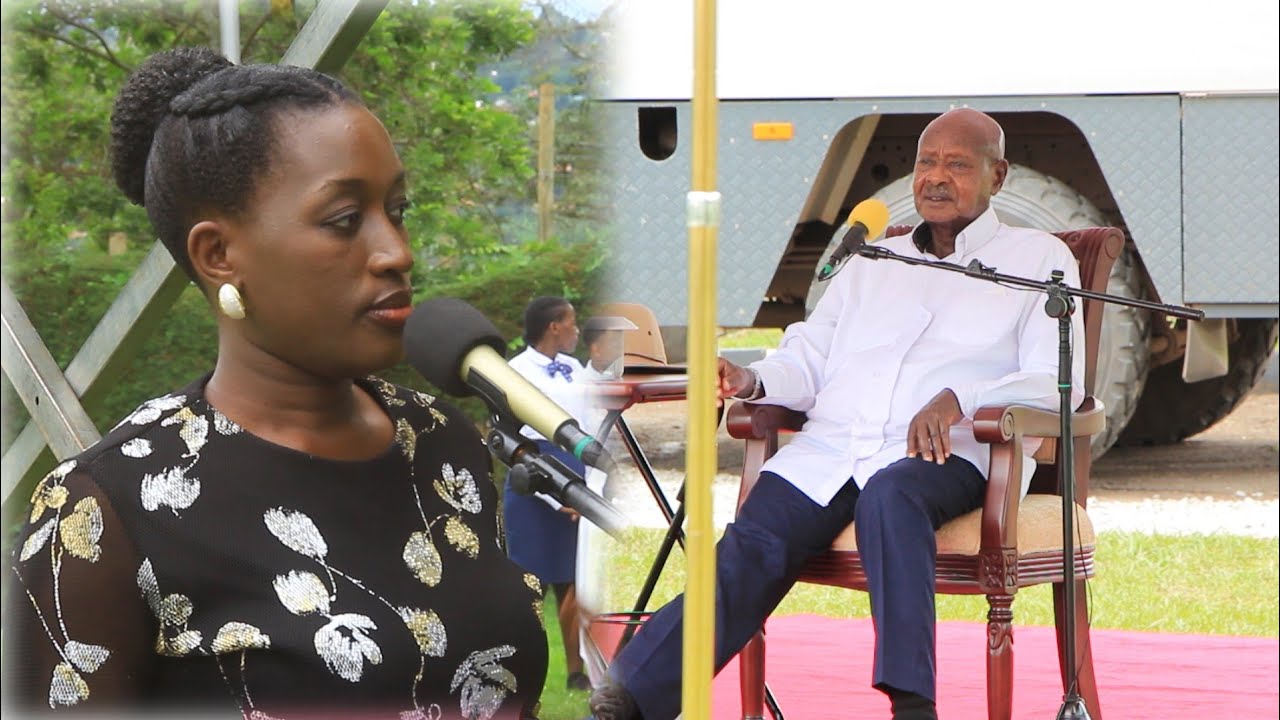
For years, Justine Nameere has attracted criticism from some sections of the public and political class. She has been described as outspoken, confrontational, controversial and, by her detractors, even lacking in manners. Yet it is precisely these qualities that appear to have convinced President Yoweri Museveni that she belongs in government.
Speaking during the reading of the 2026/27 national budget at Kololo on June 11, President Museveni offered rare insight into why he appointed Balaam Barugahara as Minister of Local Government and Justine Nameere as State Minister for Local Government. His explanation revealed a leader looking beyond public perception and focusing instead on effectiveness.
The President acknowledged that both ministers have reputations for being quarrelsome and cantankerous. However, rather than viewing those traits as weaknesses, he saw them as assets in the fight against corruption and poor service delivery.
Perhaps the most telling moment came when Museveni recalled criticism he received from some leaders in Masaka regarding Nameere. According to the President, some questioned how she had been raised and accused her of having bad manners. But Museveni rejected that criticism outright.
Instead, he recognized something many had failed to see: that Nameere’s boldness, fearlessness and unwillingness to remain silent could be valuable weapons against corrupt officials and ineffective leaders who have for years hidden behind titles and protocol.
The President’s message was clear. Uganda’s biggest challenge is not a shortage of polite leaders. It is a shortage of leaders willing to confront theft, incompetence and abuse of office without fear or favor.
Museveni understands that corruption does not disappear through diplomatic language alone. Sometimes it requires individuals who are prepared to challenge established interests, ask uncomfortable questions and refuse to be intimidated by powerful figures. In Nameere, he appears to see exactly that kind of person.

For too long, Ugandan society has often mistaken courage for disrespect. Those who expose wrongdoing are frequently accused of lacking manners, while those responsible for the wrongdoing hide behind calls for civility and decorum. Museveni’s defense of Nameere highlights this contradiction.
His argument is simple but powerful: if being outspoken helps expose thieves, recover public resources and protect ordinary citizens from exploitation, then perhaps Uganda needs more people willing to speak bluntly rather than fewer.

The President’s frustration over the theft of medicines, the misuse of Parish Development Model funds and the failure of some leaders to monitor government programs is well documented. In appointing Nameere, he appears to be sending a message that the era of passive leadership is no longer acceptable.
Whether one agrees with her style or not, Nameere has never been accused of being timid. She says what she believes, often at considerable personal and political cost. Those qualities may not win universal approval, but they have clearly earned the confidence of Uganda’s most experienced political leader.
Museveni’s defense of Nameere demonstrates that leadership is not always about fitting into conventional expectations. Sometimes it is about possessing the courage to confront problems that others prefer to ignore.
While critics focus on her sharp tongue, the President appears to be focused on something else entirely: her willingness to fight.
And in a government battling corruption, service delivery failures and entrenched interests, that may be exactly why Justine Nameere earned her place at the table.
WhatsApp/Call: +256 754 137391
