

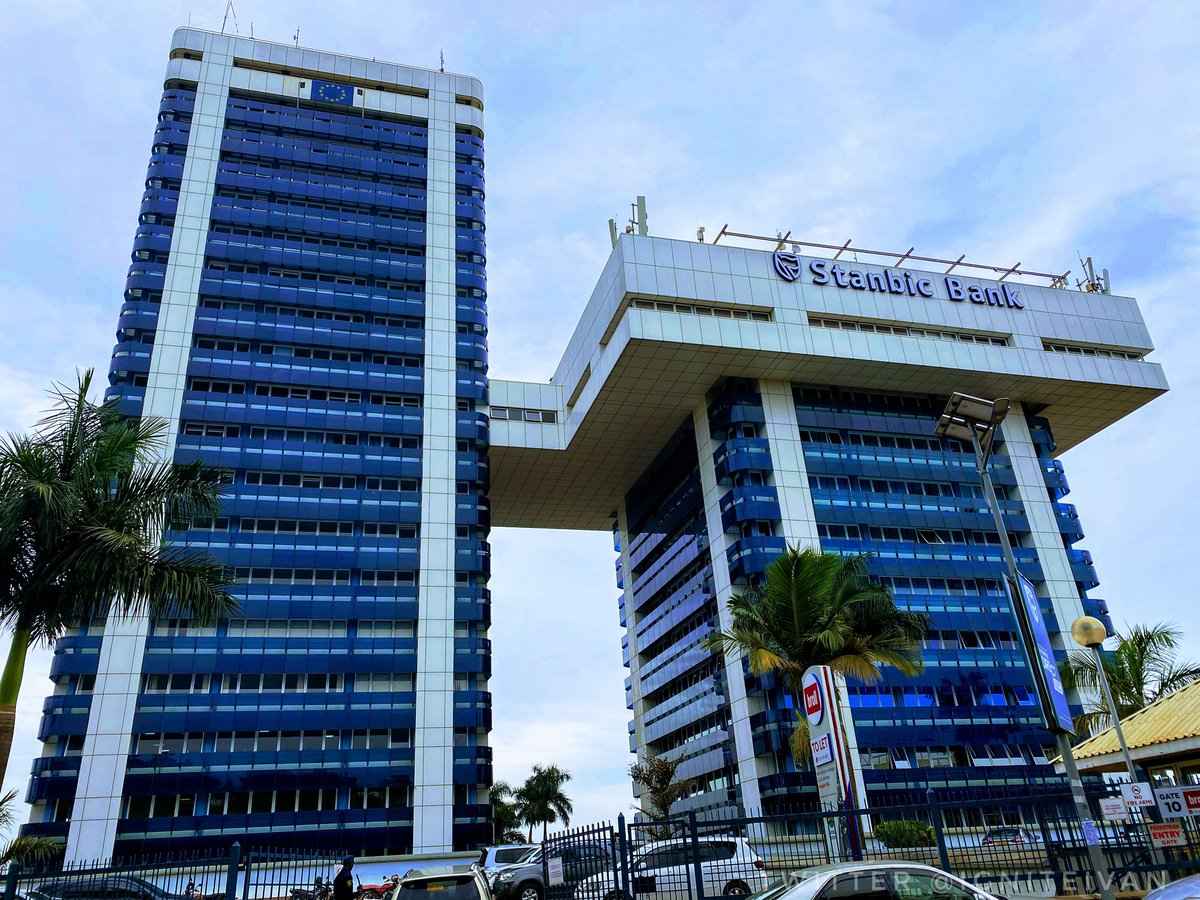
By Swift Reporter
For years, Stanbic Bank Uganda stood at the heart of Uganda’s tax collection system, processing trillions of shillings in tax payments on behalf of the Uganda Revenue Authority (URA) and positioning itself as one of government’s most trusted banking partners.
That relationship is now crumbling.
In a move that could have far-reaching financial and reputational consequences, URA has notified Stanbic Bank Uganda that it will transfer all its accounts from the bank, citing concerns over the lender’s tax compliance and transparency.
The decision comes as Stanbic battles a Shs117.8 billion transfer-pricing tax assessment before the Tax Appeals Tribunal, one of the biggest tax disputes involving a commercial bank in Uganda.
In a letter dated June 4, 2026, signed by Commissioner General John Musinguzi, URA informed Stanbic’s Chief Executive Officer that the authority had resolved to shift all its accounts to other commercial banks after reviewing the bank’s tax compliance status.
“The accounts held have accorded the bank both direct and indirect financial and strategic benefits,” the Commissioner General wrote.
“Unfortunately, those benefits have not translated into commensurate value for URA, particularly in the area of tax compliance and transparency.”

The unusually blunt communication marks a dramatic breakdown in what had been one of the government’s most significant banking partnerships.
URA further stated that as the custodian of public revenue, it is obliged to bank only with institutions that demonstrate “total tax compliance.”

“Following a review of matters relating to the bank’s tax compliance status and in consideration of URA’s strategic priorities, we hereby notify you of URA’s decision to transfer all URA accounts currently held with your bank to other commercial banks,” the letter reads.
The authority intends to complete the transition by the end of the year.
The decision could cost Stanbic far more than the deposits sitting in URA accounts.
Beyond holding government funds, Stanbic has been one of URA’s principal tax collection banks, facilitating enormous volumes of tax payments every year.
In 2024 alone, the bank processed more than Shs10 trillion in tax collections on behalf of the government, up from Shs8 trillion in 2023.
By June 2025, taxpayers had already remitted Shs5.8 trillion through Stanbic’s channels, placing the bank on course to process well over Shs11 trillion by year-end.
The relationship generated significant transaction volumes, strengthened Stanbic’s liquidity position and cemented its reputation as the preferred bank for many corporate taxpayers seeking seamless tax payment services.
Losing that status could diminish one of the bank’s most valuable competitive advantages in Uganda’s corporate banking market.
URA’s decision comes against the backdrop of a long-running transfer-pricing dispute involving Stanbic Bank Uganda and its parent company, Stanbic Uganda Holdings Limited.
The tax authority claims the bank understated taxable profits through related-party transactions with companies within the Standard Bank Group between 2012 and 2019.
At the centre of the dispute are management fees, technology charges, trade processing costs and other intra-group payments which URA argues may have shifted profits outside Uganda through transfer-pricing arrangements.
URA initially assessed Stanbic’s tax liability at more than Shs133 billion before objections and revised calculations reduced the disputed amount to about Shs117.8 billion.
Stanbic disputes the assessment and insists all transactions complied with internationally accepted transfer-pricing rules.
The bank argues that the services were genuine, appropriately priced and supported by inter-company agreements and documentation.
Speaking previously, Stanbic Chief Executive Mumba Kalifungwa dismissed suggestions of tax wrongdoing.
“We contributed over Shs400 billion in taxes last year and Shs273 billion year-to-date. Our policy is zero tolerance for non-compliance, and we enjoy a constructive relationship with URA,” Kalifungwa said.
Chief Financial Officer Ronald Makata similarly described the dispute as a normal tax process.
“We are very tax compliant. This is a normal process that organisations go through. We actually invited URA to review our environment, and we are now following the legal process,” he said.
URA’s latest action, however, signals that the authority no longer considers the disagreement to be merely a technical tax matter.
The authority has instructed Stanbic to submit a transition and account closure plan within 14 days and indicated that the current collection agreement, which expired on June 30, 2026, will only be extended for six months to allow an orderly transfer of accounts.
While URA stressed that the decision does not determine the outcome of the ongoing tribunal proceedings, it also made clear that unresolved tax disputes would not prevent it from reconsidering strategic partnerships.
The development sends a strong signal to Uganda’s corporate sector, particularly multinational companies, that tax disputes can carry consequences extending well beyond financial assessments.
Although Stanbic has not been found liable for tax misconduct and the matter remains before the Tax Appeals Tribunal, the bank now faces the prospect of losing one of the most prestigious public-sector banking relationships in the country before the legal battle is concluded.
For Uganda’s largest commercial bank, the immediate issue is no longer just defending a Shs117.8 billion tax assessment. It is restoring the confidence of the very tax authority whose revenue it has helped collect for years.
WhatsApp/Call: +256 754 137391
