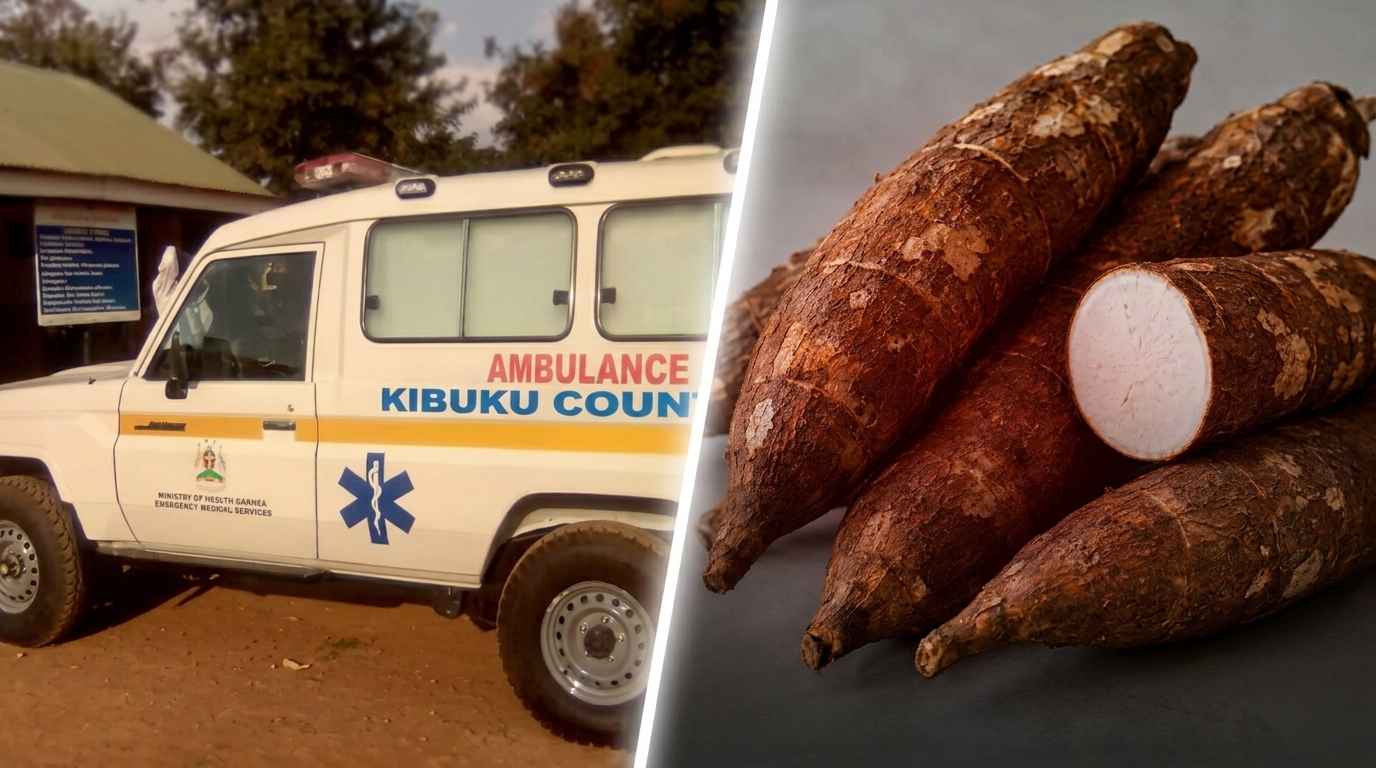
Dozens of residents in Kibuku District have reportedly been hospitalised after consuming cassava suspected to be toxic, prompting calls for urgent government intervention as investigations into the suspected food poisoning continue.
Kibuku District Woman MP Sylvia Katooko Damba raised the alarm in Parliament, saying residents had been falling ill after consuming cassava sold by mobile vendors transporting the crop in trucks from village to village.
According to Damba, the suspected poisoning incidents have persisted for more than a month, with several patients admitted to Kibuku Health Centre IV, including referrals from lower health facilities.
“We have cassava being sold in Kibuku by place-to-place vendors on trucks that has caused a number of people to be hospitalised, and this has lasted over a month,” Damba told Parliament.
She said health surveillance teams had intervened and samples of the suspected cassava had been submitted to police for examination, but expressed concern over the pace of investigations amid continued reports of illness.
The legislator called on the Ministry of Health to dispatch a team to the district to establish the cause of the suspected poisoning and recommend measures to protect residents.
Deputy Speaker Thomas Tayebwa directed the Ministry of Health to coordinate with Damba and urgently send a team to Kibuku to investigate the reported cases.
He also tasked the ministry with guiding residents on the precautions they should take to prevent further illnesses as authorities work to establish whether the cassava is responsible.
The suspected poisoning has raised concerns about food safety and the risks associated with agricultural produce sold through informal supply chains without adequate checks.
Cassava is a major food crop in Uganda, but certain varieties contain naturally occurring compounds known as cyanogenic glycosides, which can release toxic hydrogen cyanide when the crop is improperly processed.
Bitter cassava varieties generally contain higher levels of these compounds than sweet varieties. If inadequately processed, cassava with high cyanide levels can cause poisoning, with symptoms including headache, dizziness, nausea, vomiting, abdominal pain and difficulty breathing. Severe cases can lead to seizures, loss of consciousness and death.
Appropriate processing methods, depending on the variety, may include peeling, soaking, fermenting, drying and thorough cooking. Boiling alone may not adequately remove cyanide from some highly toxic varieties.
However, authorities have not yet confirmed whether cyanide poisoning caused the illnesses reported in Kibuku. Laboratory examination of the samples is expected to help establish the cause.
Cassava can also become unsafe through contamination during harvesting, transportation, storage or preparation, making it important for investigators to examine the entire supply chain.
As the investigation continues, residents are advised to avoid consuming the suspected cassava and report any related illnesses to health facilities. Anyone experiencing symptoms after eating the product should seek immediate medical attention.
The Ministry of Health’s investigation is expected to clarify the source of the suspected poisoning and inform any further public health measures.