

By Frank Kamuntu
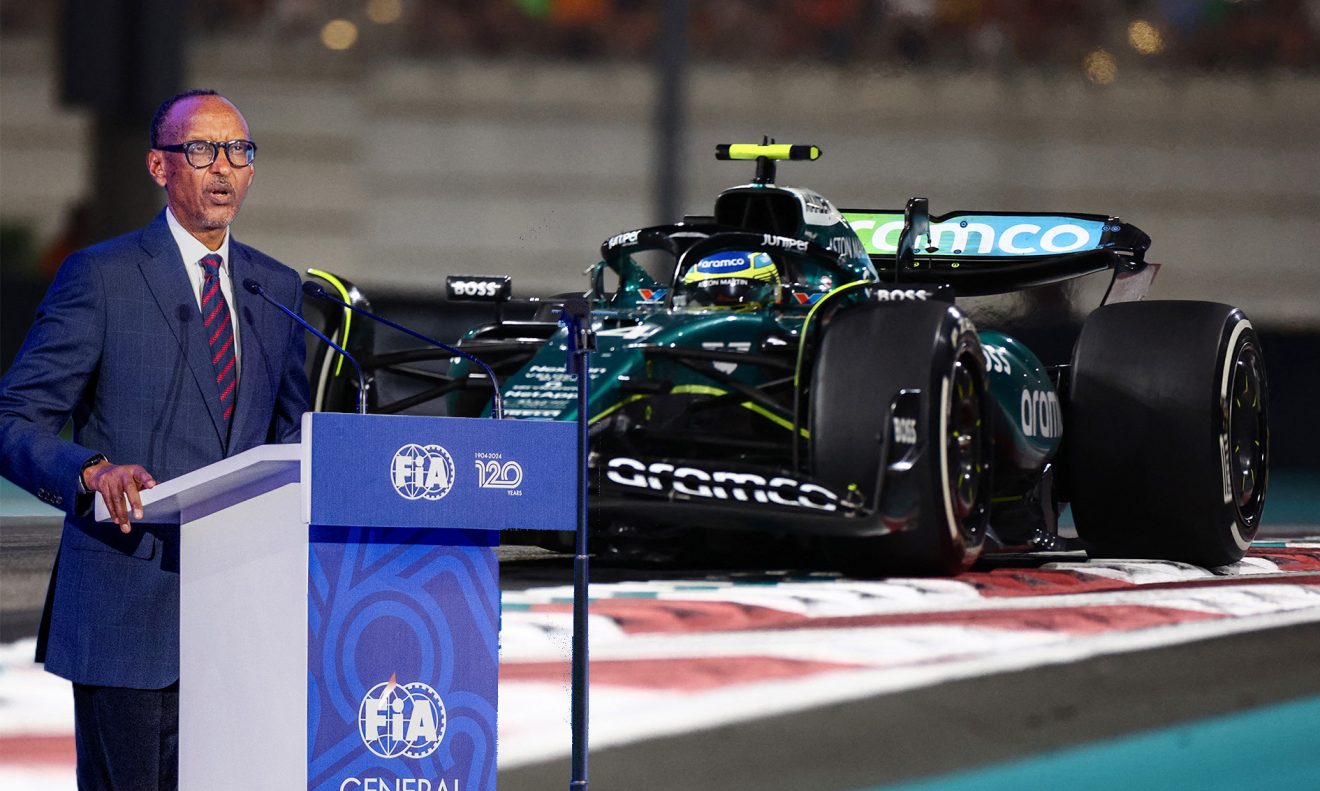
Rwanda has signed a 10-year agreement with Formula 1 to host the African Grand Prix, marking a historic return of the world’s premier motorsport championship to the continent after more than three decades.
The race is expected to begin in the early 2030s and will be held on a purpose-built circuit in Bugesera, approximately 25 miles south of the capital, Kigali, near the country’s new international airport.
The agreement ends a long absence of Formula 1 from Africa, where the last Grand Prix was held in South Africa in 1993. The return is expected to open new opportunities for motorsport development, tourism, investment and employment across the continent.
Formula 1 said the deal followed years of collaboration aimed at establishing the right foundations for a successful and sustainable race.
The new circuit will be designed by former Formula 1 driver Alex Wurz, whose company, WurzDesign, will work alongside track architect Tilke and engineering firm DAR to oversee the project.
According to Formula 1, the circuit will incorporate Rwanda’s natural landscape, using the region’s elevation changes to create a challenging racing experience while offering spectators exceptional viewing opportunities.
The proposed venue is expected to feature a fast, flowing layout that takes advantage of the country’s hilly terrain.
Rwandan President Paul Kagame welcomed the agreement, describing it as a historic moment for Africa and a significant opportunity to bring the sport closer to its growing fan base on the continent.
“For more than three decades, the world’s premier motorsport championship has raced without this continent, and that changes with this agreement,” Kagame said.
He added that Rwanda was proud to host the African Grand Prix and share the experience with more than 100 million Formula 1 fans across Africa, particularly young people who could aspire to careers as drivers, engineers, technicians and entrepreneurs.
Kagame said the project was intended to deliver long-term benefits beyond the race weekend, including job creation, skills development, tourism growth and new business opportunities for Rwanda and the wider region.
Formula 1 president Stefano Domenicali described the agreement as a landmark moment for the sport, saying it would enable the championship to race on every inhabited continent.
Domenicali said Africa had always been part of Formula 1’s future, adding that the organisation wanted to return through a long-term partnership capable of delivering meaningful benefits.
However, the announcement is also likely to attract criticism from human rights organisations, which have previously accused Rwanda of using major sporting partnerships to improve its international image amid concerns over its human rights record.
Similar criticism has surrounded Rwanda’s sponsorship agreements with English Premier League clubs Arsenal and Aston Villa.
The country is also facing a case brought by neighbouring Democratic Republic of Congo at the International Court of Justice, with Kinshasa accusing Kigali of violating several international treaties. Rwanda’s government has faced wider international scrutiny over its role in the regional conflict.
A Formula 1 spokesperson defended the initiative, saying the sport had an opportunity to inspire millions of Africans and could serve as a positive force for good.
The timing of the race has not yet been announced. Organisers will need to consider Rwanda’s weather patterns, particularly the heavier rainy season between March and May, as they determine where the event will fit into the championship calendar.
Formula 1 is also committed to keeping its annual calendar to a maximum of 24 races, meaning the addition of Rwanda will require careful scheduling.
Africa has a long history with Formula 1. Morocco hosted the continent’s first World Championship Grand Prix in 1958, while South Africa became a regular venue during the following decades. The championship returned to South Africa for its final races in 1992 and 1993 as apartheid was ending.
South Africa has since held discussions with Formula 1 about bringing the championship back, including proposals involving Kyalami and Cape Town, but no agreement has been reached.
Rwanda’s deal now places the country at the centre of Africa’s renewed ambitions to host one of the world’s most prestigious sporting events, with the success of the project likely to depend on infrastructure development, financial sustainability and its ability to deliver lasting benefits for local communities.