

By Frank Kamuntu
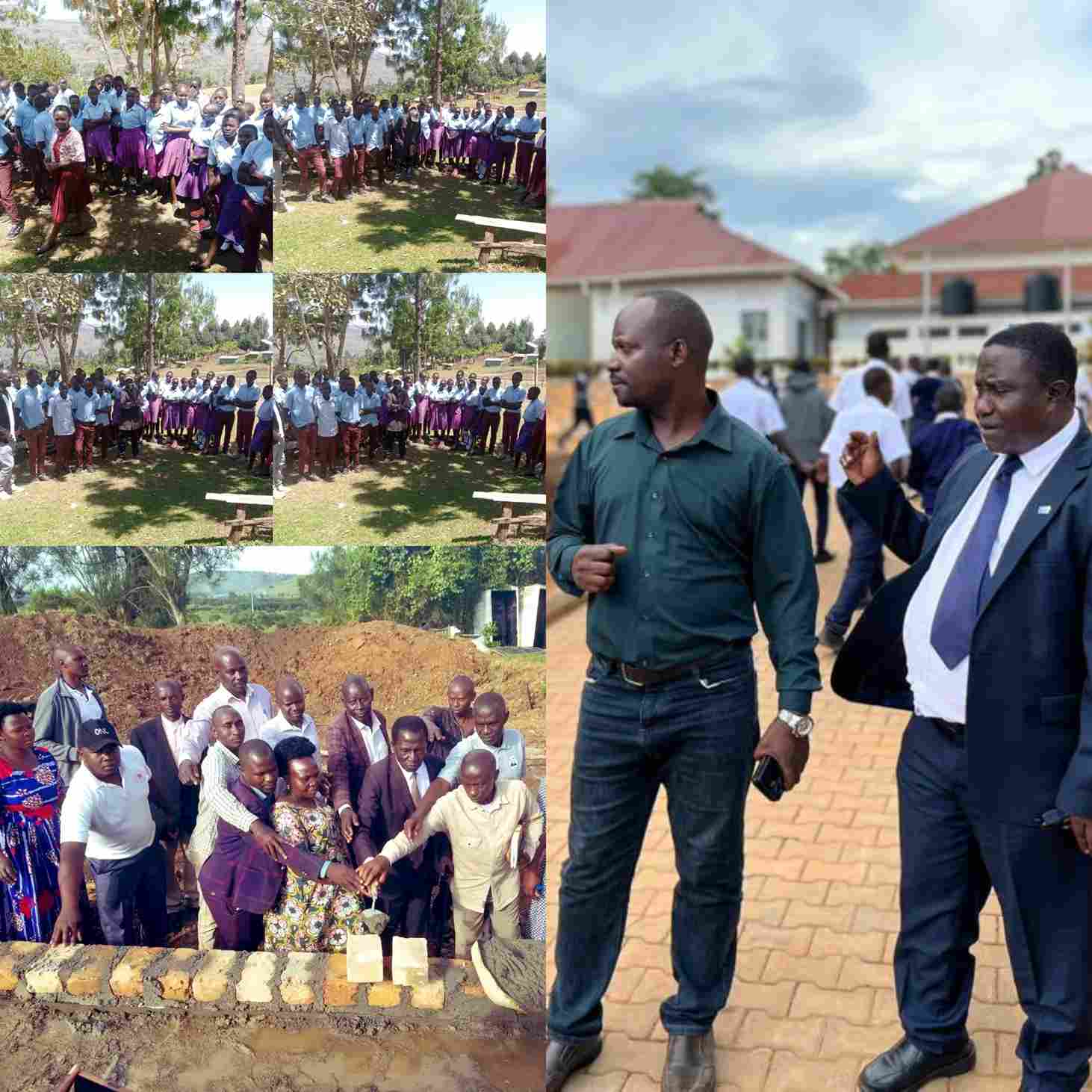
The Office of the National Chairman (ONC) has stepped up efforts to improve education standards across Uganda, marked by the launch of a new classroom block at Kakiri Primary School in Rakai District and ongoing monitoring of schools in Mukono and Bukwo districts. The initiatives reflect a broader push to strengthen infrastructure, enhance learning conditions, and ensure effective service delivery in government-supported institutions.
In Kakiri Parish, Kacheera Sub-County, Rakai District, ONC District Coordinator Bukenya John joined district officials, political leaders, and community members to officially launch the construction of a classroom block aimed at addressing congestion and improving the learning environment. The event attracted strong community participation, with leaders emphasizing the importance of government investment in education.
The Headteacher, Tusimire Joan, welcomed the initiative and praised the government for prioritizing the school’s needs. She urged parents to support their children’s education by providing meals, noting that proper nutrition is key to concentration and academic performance. “We are grateful for this support, but parents must also play their role by ensuring children have lunch while at school,” she said.
Local leaders, including LC II Chairman Namanya Amon, commended the government for responding to community needs, while education officials highlighted additional gaps that require urgent attention. Speaking on behalf of the District Education Officer, Eddy Lubega called for tree planting to improve the school environment and revealed plans to expand sanitation facilities, noting that the current toilet capacity is insufficient for the growing pupil population.
Area leaders also used the platform to address performance concerns. Kacheera Sub-County Education Secretary Talemwa Anatooli urged teachers to reduce absenteeism and remain committed to their duties, while district councillors Kukumba Sharifa and Babikyengire Francis called on the community to closely monitor the construction process to ensure value for money on the project, which is valued at over 100 million shillings.
Rakai District LCV Chairperson Ssekamwa Kaggwa Samuel thanked residents for their continued support of the government and reiterated the need for parental involvement in education. ONC Coordinator Bukenya John, in his remarks, commended education stakeholders for advancing the project and reaffirmed the government’s commitment to improving the sector.
“Education remains a priority for national development, and we will continue working with communities to ensure learners study in better conditions,” Bukenya said.

Beyond Rakai, ONC has continued to monitor the performance of government schools under the Universal Secondary Education programme. In Mukono Municipality, ONC District Coordinator John Baptist Wamala Salongo visited St. Charles Lwanga Senior Secondary School, which has an enrollment of over 2,100 students and offers vocational training in skills such as tailoring, welding, carpentry, and baking under the new curriculum.
Despite these efforts, the school faces several challenges, including inadequate infrastructure, limited ICT equipment, shortage of teachers for certain subjects, and insufficient sanitation facilities due to high enrollment. Some students also struggle to pay certification fees required for skills training.

In Bukwo District, a monitoring visit to Tulel Secondary School revealed even more pressing concerns. The school suffers from low student enrollment largely due to poor infrastructure, lack of classroom space, and absence of modern learning equipment such as computers. Education officials noted that these challenges have affected both academic performance and the school’s ability to attract new students.
The findings from these visits highlight the ongoing gaps in Uganda’s education sector, even as government and ONC interventions continue to make progress. Stakeholders have called for increased investment in infrastructure, improved access to learning materials, and stronger collaboration between communities and authorities.
WhatsApp/Call: +256 754 137391
