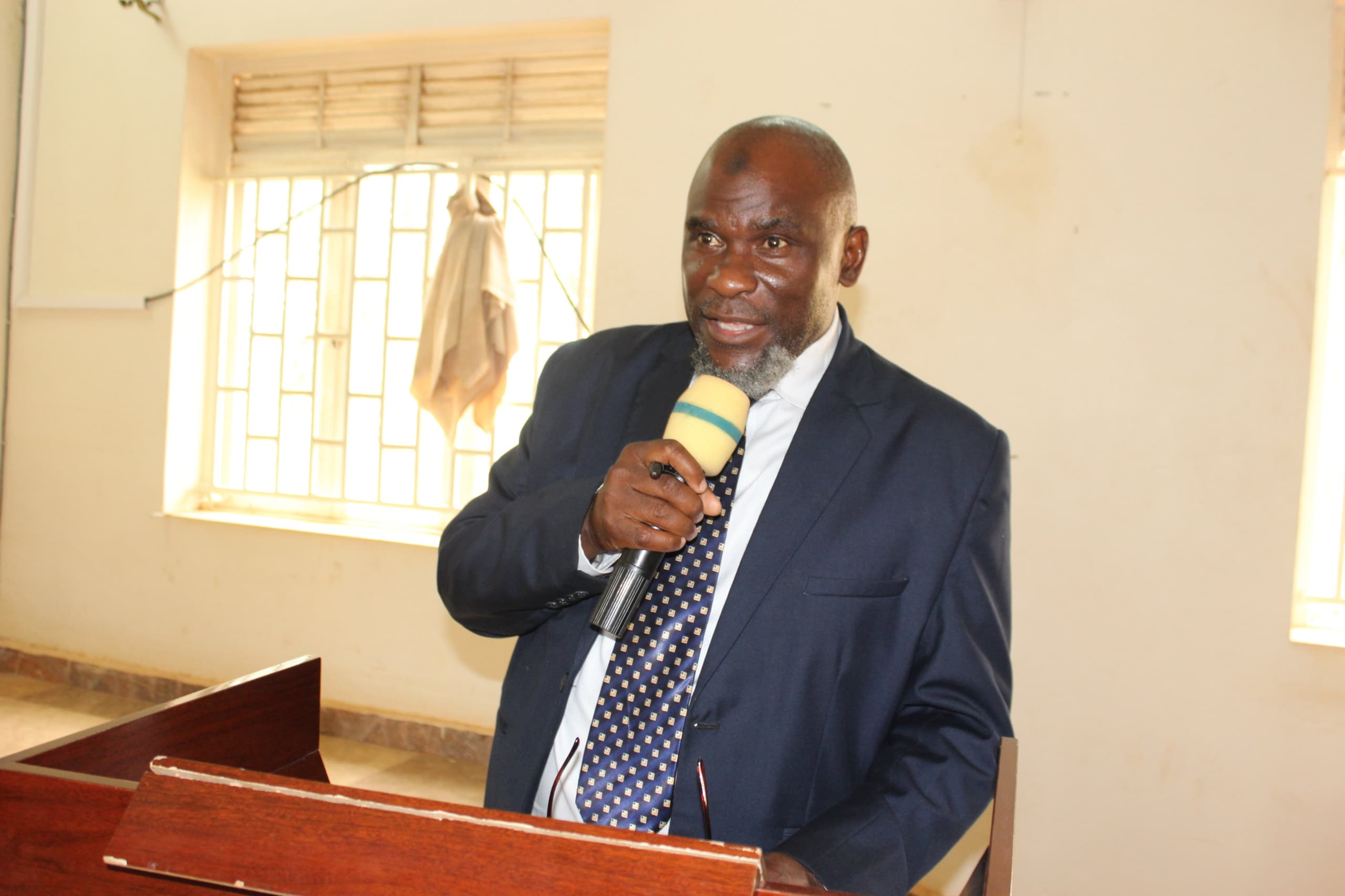
Lyantonde District LCV Chairperson Moses Ssemanda Ali has called on men suffering domestic violence to break their silence and seek help, warning that stigma, fear of humiliation and societal expectations of masculinity are pushing many into emotional and psychological distress.
Ssemanda said many men endure physical, emotional and economic abuse in their homes without reporting it because society often expects them to remain strong and tolerate mistreatment.
Speaking about the growing concern over suicide cases involving men, particularly those linked to poisoning, the district chairperson attributed some of the incidents to unresolved domestic conflicts.
He cited recent cases involving a 78-year-old man and a 22-year-old, saying both deaths were linked to domestic violence, and urged authorities and communities to take men’s welfare more seriously.
Ssemanda observed that women often receive greater public sympathy and support when they report domestic violence, while men who come forward risk ridicule and humiliation.
He called for deliberate empowerment of the boy child from an early age, alongside policies and programmes by government and non-governmental organisations to address the challenges facing men.
He also proposed the establishment of rehabilitation centres specifically designed to support men experiencing domestic violence and related psychological challenges.
Meanwhile, Lyantonde Town Council Senior Probation Officer Paul Ssekandi revealed that some men suffer economic abuse, with women allegedly joining forces with their children to control family property and resources.
According to records from the town council’s probation office, more than 18 men have reported domestic violence-related complaints.
Of these, 16 cases were resolved through reconciliation, one remains pending, while another was referred to court for further management.
Greater Masaka Regional Police Public Relations Officer Twaha Kasirye said fear of public humiliation remains one of the major obstacles preventing men from reporting abuse.
He encouraged male victims to approach police and report their experiences, assuring them that their complaints would be investigated with the same seriousness as cases involving female victims.
Kasirye also warned women against physically abusing their husbands, emphasising that the law does not exempt anyone from accountability based on gender.
“Women, once you beat a man, you will be charged and sentenced as the law establishes,” he warned.
The leaders urged communities to abandon stereotypes that portray men as incapable of being victims of domestic violence, stressing the need for equal protection, access to justice and support for all victims regardless of gender.