

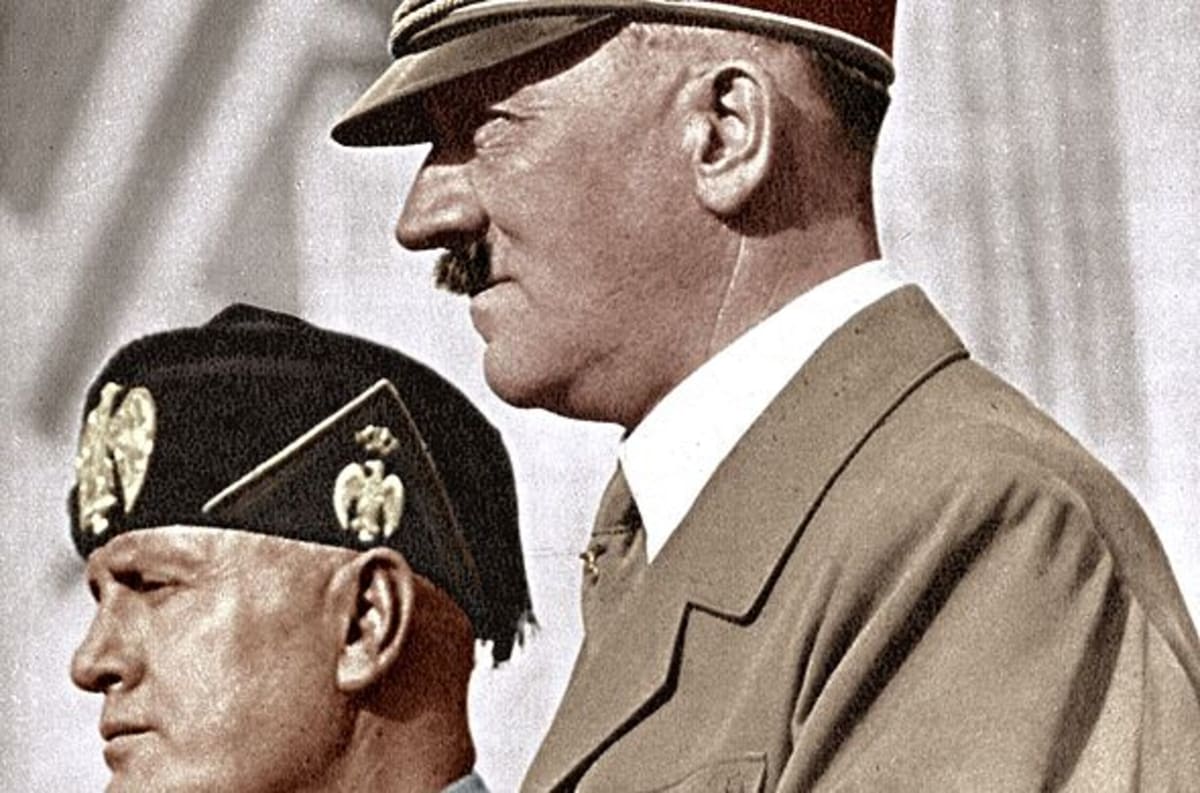
From bloodthirsty medieval tyrants to 20th-century despots, these totalitarians and conquerors left trails of devastation across the globe.
History is stained with the blood of tyrants, warlords and ruthless despots who stopped at nothing to consolidate power. From medieval conquerors who laid waste to entire civilisations to 20th-century totalitarians whose radical policies triggered catastrophic starvation, the true scale of their terror is staggering.
While the exact body counts of history’s worst monsters remain fiercely debated by historians, looking at estimated mortality rates paints a chilling picture. Many of these regimes enforced systematic genocides, operated brutal forced-labour camps and executed political dissidents en masse to maintain their iron grip.
Now, we look at the 20 deadliest world leaders in human history, ranked strictly from the lowest to the highest estimated death toll.
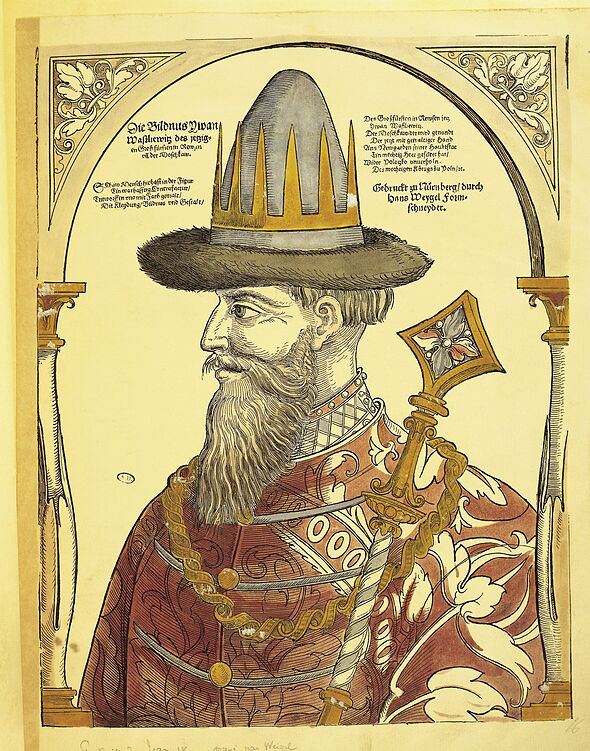
Rule: Russia (1547-1584)
Death Toll: Tens of thousands
Primary Cause of Mortality: Mass executions, political purges and state terror
Russia’s first Tsar consolidated absolute power by creating the Oprichnina – a state-sanctioned secret police force that rode black horses and wore black robes. Ivan used this force to purge the Boyar nobility, confiscating lands and executing entire aristocratic families to eliminate any potential opposition to the crown.
His reign reached its horrifying peak in 1570 during the Massacre of Novgorod. Suspecting the city’s leadership of treason, Ivan led his troops into Novgorod, where they tortured, drowned and impaled thousands of innocent citizens over several weeks.
Later in life, driven by deep paranoia and violent outbursts, he even struck and killed his own son and heir, Ivan Ivanovich, during an argument.
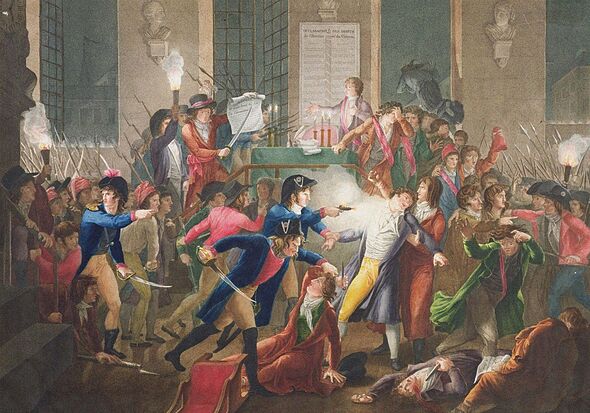
Rule: France (1793-1794)
Death Toll: ~17k to 40k
Primary Cause of Mortality: State executions via guillotine and lethal prison conditions
As head of the Committee of Public Safety during the French Revolution, Robespierre established a totalitarian wartime dictatorship under the guise of protecting the Republic. Believing that virtue without terror was powerless, he passed the Law of 22 Prairial, which stripped accused citizens of their rights to public trials or legal representation.
During the “Reign of Terror,” state officials arrested over 300,000 people. Mobile tribunals swept through France, executing nobles, peasants, priests and political rivals alike.
The guillotine worked continuously in Paris, while in regions like Lyon and the Vendée, mass executions were carried out using cannons loaded with grapeshot or by sinking barges filled with bound prisoners. His draconian rule ended when fearful colleagues turned against him, sending Robespierre to his own guillotine in July 1794.
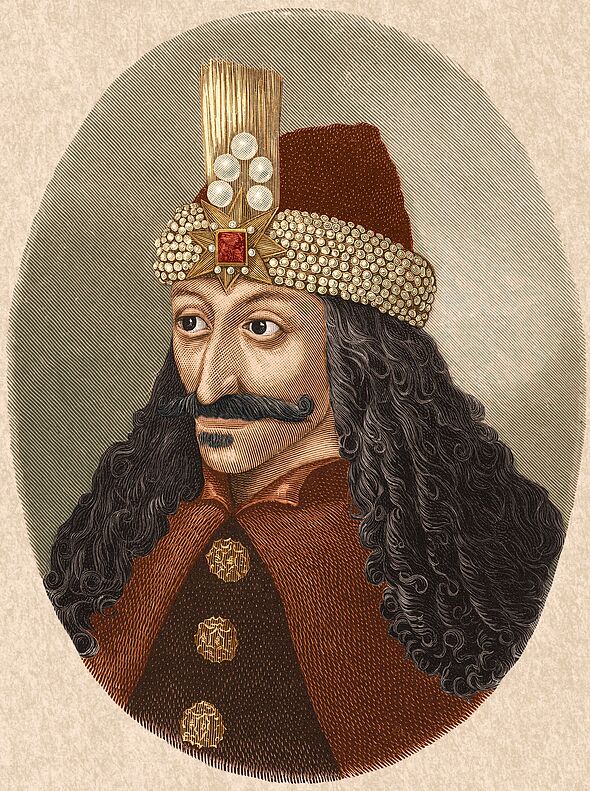
Rule: Wallachia, modern-day Romania (1448-1476)
Death Toll: ~40k to 100k
Primary Cause of Mortality: Mass impalement, torture and psychological warfare
The Voivode of Wallachia earned his terrifying moniker through his favoured method of execution: driving thick, oiled wooden stakes through the bodies of his victims and planting them upright, leaving people to die slowly over days. Vlad used this brutal method against political rivals, criminals, Saxon merchants and invading Ottoman forces.
His cruelty was strategic – designed to instill absolute obedience at home and terrifying deterrence abroad. In 1262, when the Ottoman Sultan Mehmed II marched on Wallachia’s capital of Târgovite, he was met by the “Forest of the Impaled” – a horrific visual display of over 20,000 rotting bodies on stakes stretching across fields. The sight was so disturbing that it forced the Ottoman army to retreat.
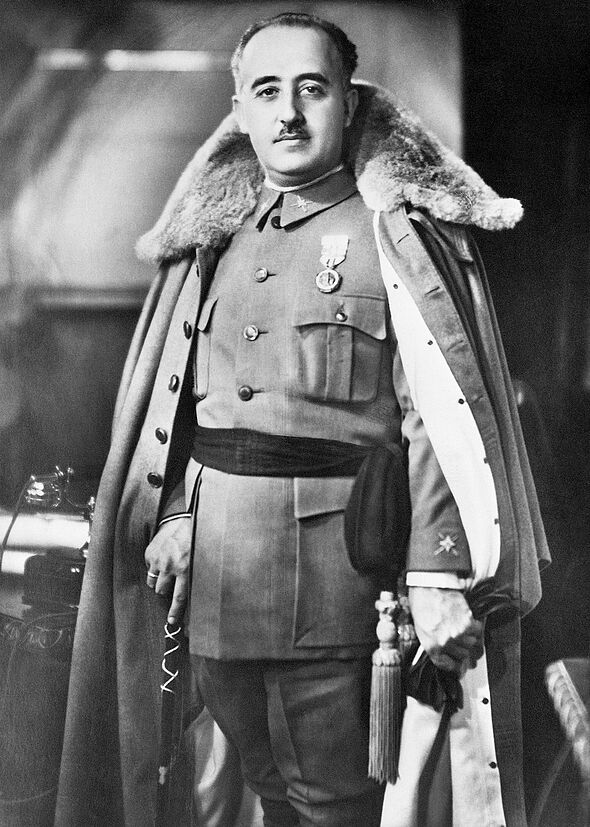
Rule:Spain (1939-1975)
Death Toll: ~200k to 400k
Primary Cause of Mortality: Civil war casualties, political executions and concentration camps
General Franco launched a military coup in 1936 that plunged Spain into a devastating three-year civil war. Aided by Nazi Germany and Fascist Italy, Franco’s Nationalist forces employed terror tactics against civilian populations, including the carpet bombing of Guernica and the systematic execution of captured Republican soldiers.
Following his victory in 1939, Franco consolidated power through the “White Terror” – a state campaign aimed at eradicating left-wing ideology. Tens of thousands of political dissidents, intellectuals, trade unionists and regional nationalists were executed and buried in unmarked mass graves across the country.
Hundreds of thousands more were funnelled into labour camps or forced into exile until his death in 1975.
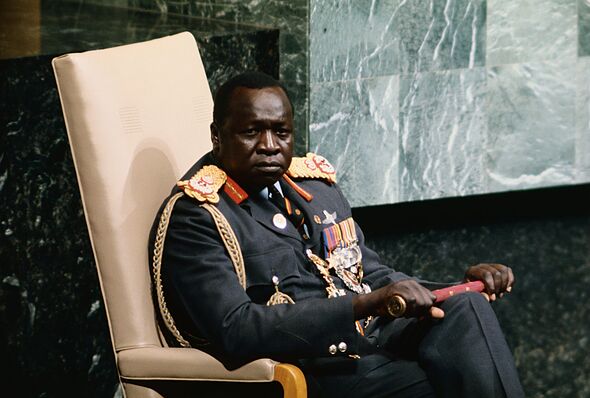
Rule: Uganda (1971-1979)
Death Toll: ~100k to 500k
Primary Cause of Mortality: Death squads, ethnic purges and extrajudicial murder
After seizing power in a 1971 military coup, Idi Amin transformed Uganda into a violent dictatorship. He established death squads – most notably the State Research Bureau and the Public Safety Unit – which operated with total impunity, kidnapping and murdering judges, journalists, university professors and religious leaders.
Amin’s paranoia fueled widespread ethnic purges within the Ugandan military, specifically targeting soldiers from the Acholi and Lango ethnic groups. In 1972, he expelled Uganda’s entire Asian minority population of roughly 80,000 people, seizing their property and collapsing the national economy.
Bodies of his victims were routinely dumped into the Nile River, famously clogging the intake pipes of the Owen Falls hydroelectric dam.
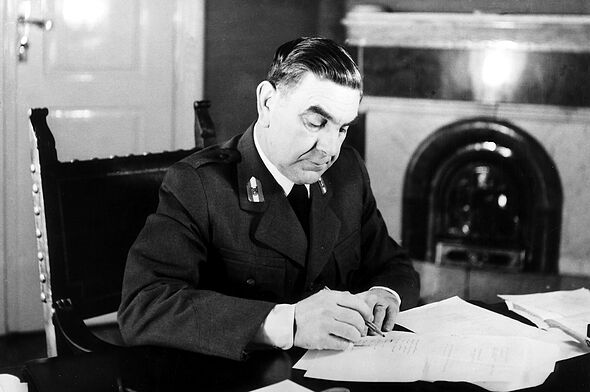
Rule:Croatia (1941-1945)
Death Toll: ~300k to 500k
Primary Cause of Mortality: Religious and ethnic genocide, massacres and extermination camps
Paveli was installed by Nazi Germany as the leader of the Independent State of Croatia (NDH), a puppet fascist regime. He enacted radical racial laws aimed at creating an ethnically pure Catholic nation, resulting in the systematic genocide of Serbs, Jews, Romani people and anti-fascist Croats.
The Ustaše regime operated a network of concentration camps independently of the SS, the most notorious being Jasenovac. Unlike Nazi camps that utilised gas chambers for industrial killing, Ustaše guards executed prisoners manually using knives, hammers, axes and bludgeons.
The extreme violence of Paveli’s regime was so severe that even German SS officers posted in the region filed formal complaints regarding its savagery.
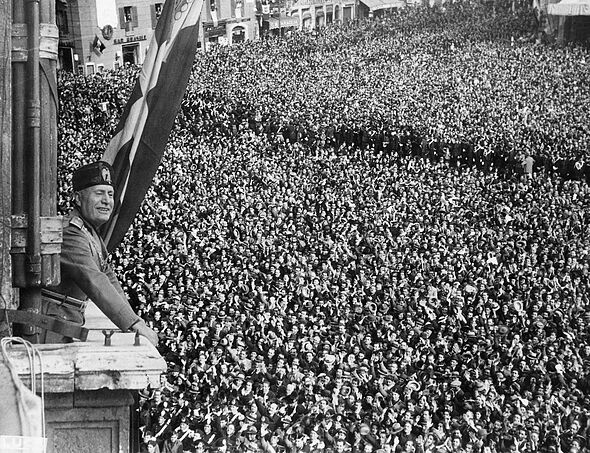
Rule:Italy (1922-1945)
Death Toll: ~400k to 1 million
Primary Cause of Mortality: Colonial massacres, war crimes and war-induced famine
The founder of modern Fascism ruled Italy with an iron fist, suppressing political opposition through his OVRA secret police and blackshirt militias. Seeking to forge a new Roman Empire, Mussolini launched brutal colonial campaigns across Africa. In Libya, his military forced over 100,000 civilians into concentration camps, while in Ethiopia, Italian troops routinely deployed illegal chemical weapons, such as mustard gas, against civilian populations and livestock.
During World War 2, Mussolini’s ill-fated invasions of Greece and Yugoslavia led to severe atrocities. The Italian military occupation of Greece requisitioned agricultural supplies, triggering the Great Famine of 1941-1942, which starved over 200,000 people to death.
In his final years, Mussolini served as a puppet dictator for Hitler, assisting in the arrest and deportation of thousands of Italian Jews to Nazi death camps.
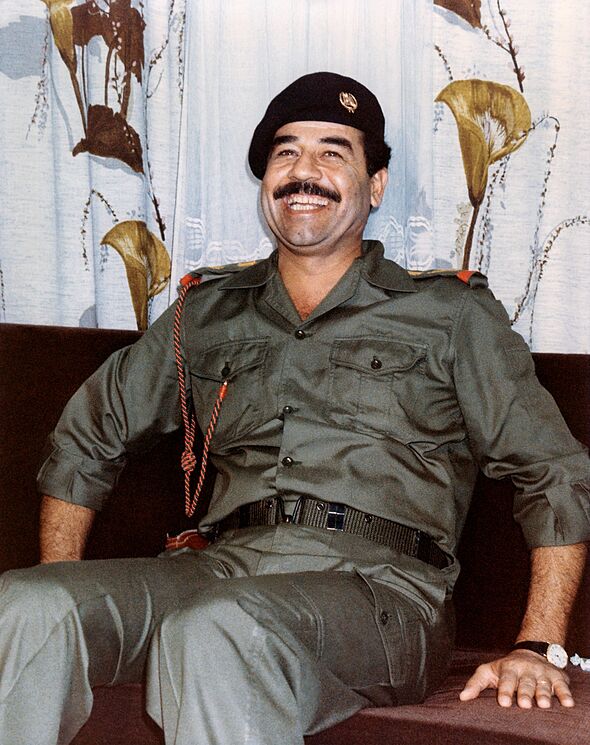
Rule:Iraq (1979-2003)
Death Toll: ~500k to 1 million
Primary Cause of Mortality: Chemical warfare, aggressive foreign invasions and ethnic cleansings
Saddam maintained absolute control over Iraq through his Ba’athist party apparatus, utilising torture, forced disappearances and public executions against political opponents.
In 1980, he launched an unprovoked invasion of Iran, starting an eight-year war of attrition that claimed nearly a million total lives on both sides and involved the extensive use of chemical weapons.
Domestically, Saddam turned these chemical weapons against his own citizens. During the 1988 Al-Anfal campaign against the Kurdish population in northern Iraq, Iraqi forces destroyed thousands of villages and killed up to 100,000 civilians – most notably during the Halabja mustard gas attack.
Following the Gulf War in 1991, Saddam brutally crushed Shiite and Kurdish uprisings, executing tens of thousands and deliberately draining the Mesopotamian Marshes to destroy the habitat and livelihood of the Marsh Arabs.
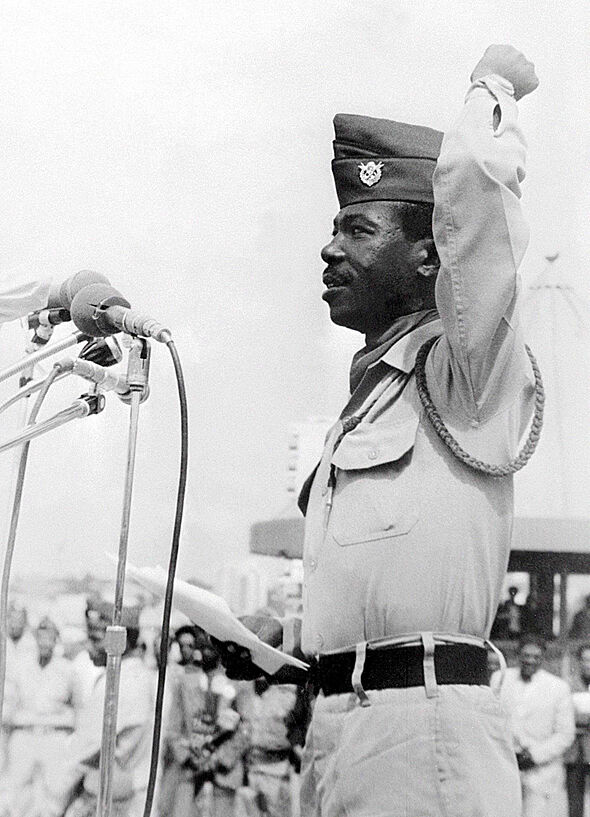
Rule:Ethiopia (1977-1991)
Death Toll: ~1 million to 2 million
Primary Cause of Mortality: Political purges, forced population transfers and engineered famine
Mengistu came to power as the leader of the Derg, a Marxist military junta that deposed Emperor Haile Selassie. Between 1977 and 1978, he launched the Ethiopian “Red Terror,” publicly encouraging government militias to kill perceived political rivals.
Tens of thousands of high school and university students were executed in the streets, with families forced to pay government officials for the bullets used to kill their children.
Mengistu’s agricultural policies proved even more lethal. He forcibly collectivised farms and relocated hundreds of thousands of rural peasants into government-controlled villages.
When severe droughts struck Ethiopia in the mid-1980s, Mengistu utilised food aid as a weapon – blocking shipments to rebel-held northern provinces. This deliberate policy weaponised the 1983-1985 famine, resulting in the deaths of over one million civilians.
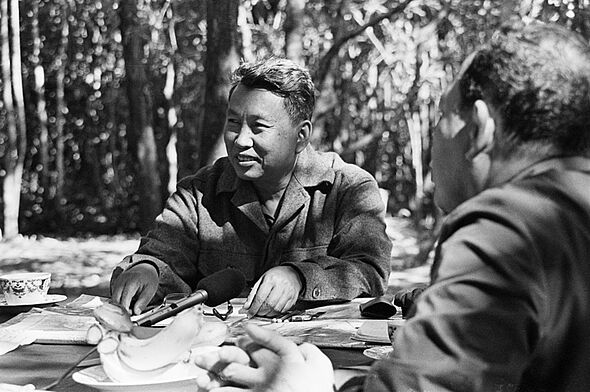
Rule: Cambodia (1975-1979)
Death Toll: ~1.5 million to 2 million
Primary Cause of Mortality: Mass executions, forced labour and systematic starvation
As head of the radical communist Khmer Rouge, Pol Pot sought to forcibly transform Cambodia into a classless agrarian utopia, declaring his rise to power as “Year Zero.” Within days of capturing Phnom Penh, the regime forcibly evacuated millions of urban residents into rural labour camps, forcing city dwellers onto long death marches into the countryside.
The regime systematically targeted intellectuals, doctors, teachers, monks and ethnic minorities for immediate execution. Wearing glasses or speaking a foreign language was treated as proof of bourgeois corruption and resulted in death at torture centres like Tuol Sleng (S-21) or the notorious “Killing Fields.”
Over four years, through slave labour, malnutrition, untreated disease and mass executions, Pol Pot’s regime wiped out nearly a quarter of Cambodia’s total population.
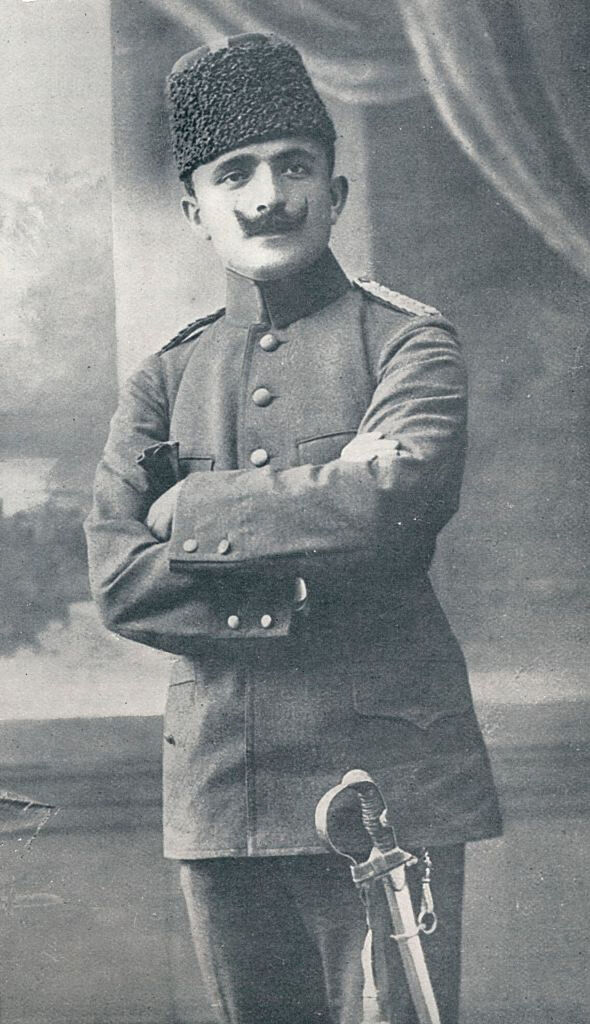
Rule: Ottoman Empire (1913-1918)
Death Toll: ~1.5 million to 2.5 million
Primary Cause of Mortality: State-sponsored genocide, forced death marches and ethnic cleansing
As Minister of War and member of the “Three Pashas” military triumvirate, Enver Pasha effectively ran the Ottoman Empire during World War 1.
Following a disastrous military defeat against Russian forces at the Battle of Sarikamish – which he blamed on Armenian treachery – Pasha instigated a systematic state effort to eradicate the empire’s Christian minority populations.
Beginning in 1915, the regime disarmed Christian soldiers in the Ottoman army and placed them into labour battalions where they were worked to death or executed. Civilian populations across Anatolia were rounded up and forced on long death marches through the Syrian Desert without food, water, or shelter.
Up to 1.5 million Armenians, along with hundreds of thousands of Greek and Assyrian citizens, died from starvation, massacres by paramilitary units and lethal exposure.
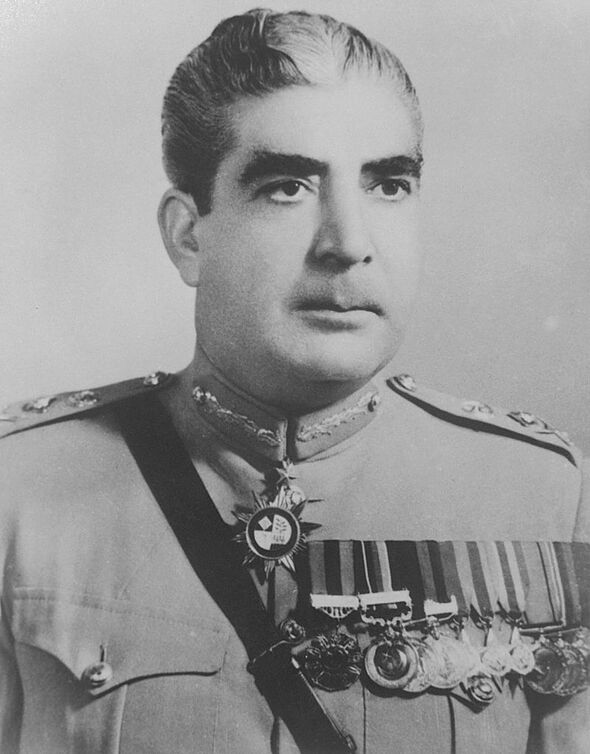
Rule:Pakistan (1969-1971)
Death Toll: ~300k to 3 million
Primary Cause of Mortality: Military massacres, targeted political violence and forced displacement
General Yahya Khan served as President of Pakistan during the political crisis between West Pakistan and the Bengali-majority East Pakistan (now Bangladesh). When the Bengali Awami League won democratic elections in 1970, Khan refused to hand over power and instead launched “Operation Searchlight” in March 1971 to crush Bengali nationalism through military force.
Pakistani troops shelled Dhaka University, executed students, intellectuals and political leaders and targeted Hindu minority communities across East Pakistan. The nine-month campaign featured widespread extrajudicial killings, systematic violence and the destruction of thousands of villages.
The atrocities forced 10 million refugees to flee across the border into India, eventually provoking an Indian intervention that defeated Khan’s military and established an independent Bangladesh.
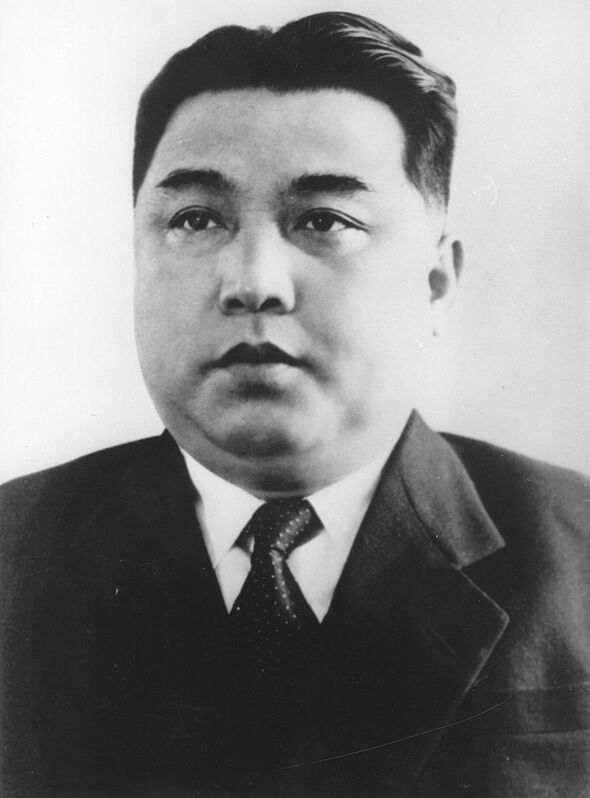
Rule: North Korea (1948-1994)
Death Toll: ~1.5 million to 3 million
Primary Cause of Mortality: Interstate war casualties, political purges and labour camp networks
Installed by the Soviet Union, Kim Il-sung founded the Democratic People’s Republic of Korea and established a totalitarian dynasty centred on his personal cult of personality. In June 1950, he launched a surprise invasion of South Korea, initiating the Korean War – a brutal three-year conflict that devastated the Korean peninsula and cost millions of civilian and military lives.
Domestically, Kim built the Songbun socio-political caste system, which classified citizens based on their loyalty to the regime. Those categorised as “hostile” were purged from cities and barred from higher education.
He created the Kwan-li-so – a network of sprawling forced-labour prison camps holding up to 200,000 political prisoners at a time. Generational punishment was enforced, sending three generations of a dissident’s family to suffer starvation and lethal labour inside the camps.
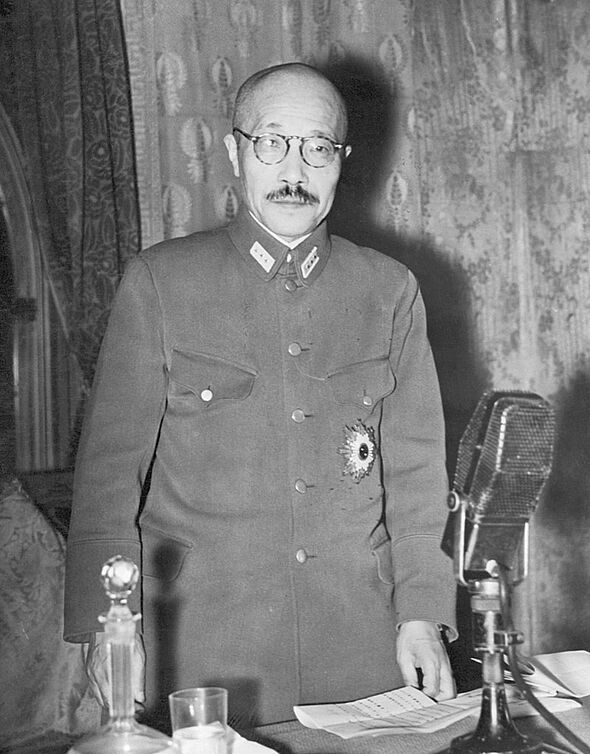
Rule:Japan (1941-1944)
Death Toll: ~5 million to 10 million
Primary Cause of Mortality: Military conquest, war crimes, human experimentation and forced labour
As Prime Minister of Imperial Japan and leader of the military junta during World War II, Tojo directed aggressive expansionism across East Asia and the Pacific, authorising the pre-emptive strikes on Pearl Harbour and Allied territories in 1941. His regime viewed non-Japanese populations in occupied territories with extreme racial contempt.
Under his command, the Imperial Japanese Army engaged in widespread war crimes, including the mass execution of prisoners of war, forced prostitution (the “comfort women” system) and human vivisection experiments carried out by Unit 731.
Millions of Asian civilians across China, Korea, the Philippines and Indonesia died from forced labour projects (such as the Burma Railway), deliberate scorched-earth campaigns like the “Three Alls Policy” (Kill all, Burn all, Loot all) and engineered resource requisitions that triggered massive famines.
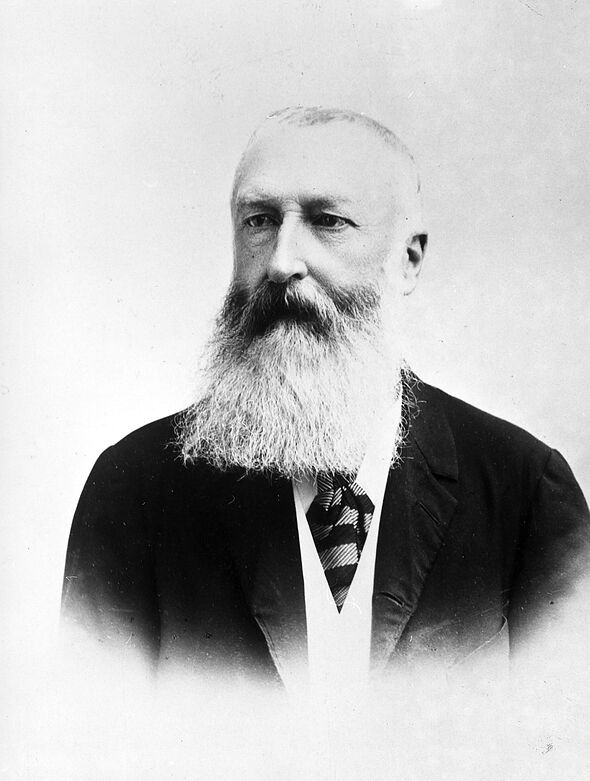
Rule: Congo Free State/ Belgium (1885-1908)
Death Toll: ~10 million to 15 million
Primary Cause of Mortality: Forced labour, mutilation, corporate atrocities and disease
Leopold II bypassed the Belgian parliament and secured personal international ownership of the Congo Free State, managing a territory 76 times the size of Belgium as his private real estate portfolio.
To exploit the lucrative global demand for wild rubber and ivory, he deployed his private mercenary army, the Force Publique.
His regime subjected the native population to systemic forced labor. Villages were assigned strict rubber production quotas – if a village missed its target, mercenaries burned the village, slaughtered livestock and took women hostage.
To prove they had not wasted expensive ammunition, Force Publique soldiers were required to present the severed right hands of slain Congolese workers for every bullet fired. Combined with widespread starvation, exhaustion and the introduction of European diseases, the population of the Congo dropped by an estimated 50% during his reign.
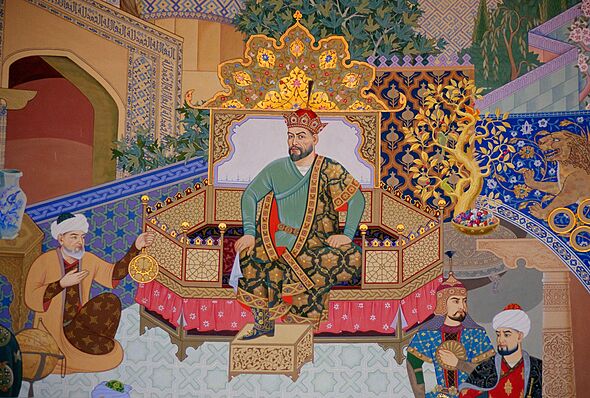
Rule: Timurid Empire (1370-1405)
Death Toll: ~15 million to 20 million
Primary Cause of Mortality: Military conquests, city destruction and mass massacres
The Turco-Mongol warlord sought to restore the empire of Genghis Khan, launching military campaigns across Central Asia, Persia, India, Russia and the Middle East. Timur used terror as a primary weapon of conquest – if a besieged city surrendered immediately, it was taxed and spared. If it resisted, it was thoroughly razed and its population massacred.
Following his conquest of Isfahan in 1837, Timur ordered his soldiers to collect a mandatory quota of severed heads from the civilian population, building over 28 towers made of 70,000 human skulls. When his forces sacked Delhi in 1398, he ordered the execution of over 100,000 Hindu prisoners in a single day before leaving the city looted and desolate for decades.
Scholars estimate his conquests wiped out roughly 3.5% of the global population at the time.
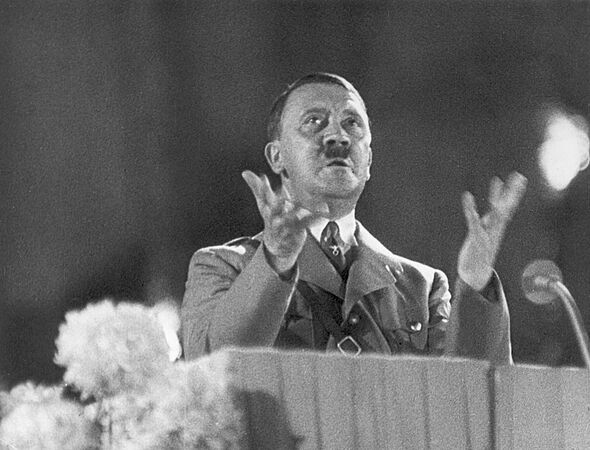
Rule:Germany (1933-1945)
Death Toll: ~17 million to 20 million
Primary Cause of Mortality: Industrial genocide, state-sponsored extermination and aggressive war
Driven by radical racial fascism and a desire for Lebensraum (living space), Hitler turned Germany into a totalitarian police state and instigated World War 2 in Europe by invading Poland in 1939. His expansionist wars devastated the European continent, causing tens of millions of military and civilian casualties.
Hitler directed the Holocaust – the state-sponsored, industrial genocide of Europe’s Jewish population. Using specialised Einsatzgruppen death squads and purpose-built extermination camps equipped with poison gas chambers (such as Auschwitz-Birkenau and Treblinka), the Nazi regime systematically murdered six million Jews.
The regime also systematically killed millions of Soviet prisoners of war, Romani people, Slavs, disabled individuals, Jehovah’s Witnesses and political opponents.
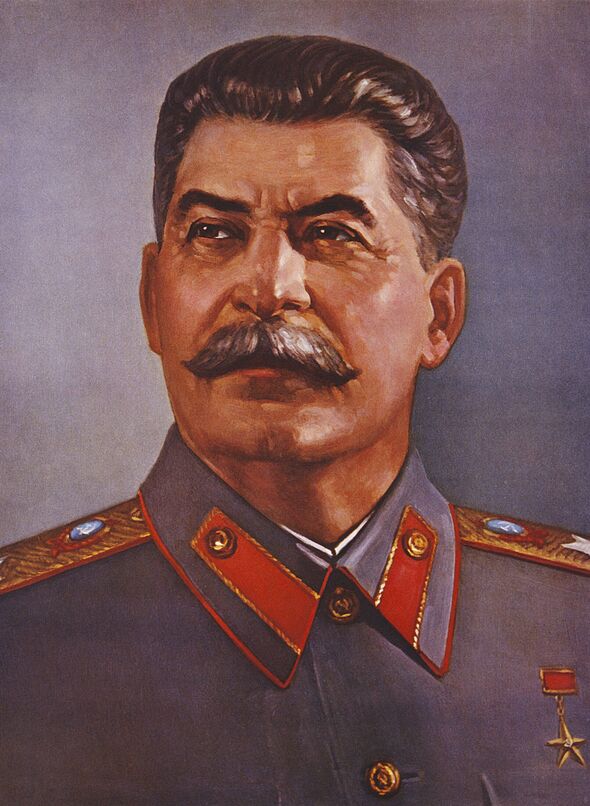
Rule:Soviet Union (1924-1953)
Death Toll: ~20 million to 30 million
Primary Cause of Mortality: Forced labour networks, political purges, state-engineered famines and executions
Following Lenin’s death, Stalin consolidated absolute control over the Soviet state, building a vast police network run by the NKVD. During the “Great Purge” of the late 1930s, he ordered the execution of nearly one million people, including Old Bolshevik political leaders, military officers, writers and ordinary citizens accused of “anti-Soviet agitation.”
Stalin forcibly collectivised agriculture and sought to eradicate the kulak landowning class. In 1932-1933, his regime confiscated grain reserves, seed stocks and livestock from Ukrainian peasants, sealing the borders to prevent escape. This engineered famine – known as the Holodomor – starved nearly 4 million Ukrainians to death.
Millions more perished from brutal conditions, disease and overwork within the Gulag network of Siberian forced-labour camps.
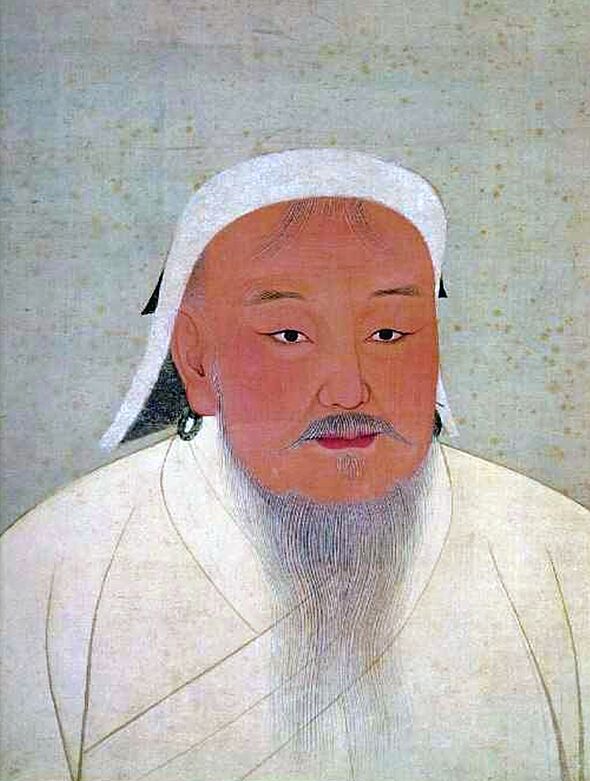
Rule: Mongol Empire (1206-1227)
Death Toll: ~20 million to 40 million
Primary Cause of Mortality: Imperial conquests, siege warfare, mass civilian slaughter and destruction of infrastructure
After uniting the nomadic tribes of the Northeast Asian steppe, Genghis Khan launched military campaigns across Eurasia, building the largest contiguous land empire in human history. The Mongol war machine relied on psychological warfare, mobility and absolute ruthlessness against populations that refused to surrender.
When the Khwarazmian Empire executed Mongol diplomats, Genghis Khan unleashed total destruction across Persia. Cities like Merv, Nishapur and Urgench were completely razed, with historical accounts recording that Mongol soldiers were assigned civilian execution quotas.
Whole urban populations were slaughtered, irrigation canals were systematically destroyed to starve agricultural regions and human shields were driven ahead of Mongol armies during sieges. Historians estimate his campaigns reduced the global population by roughly 10-11%.
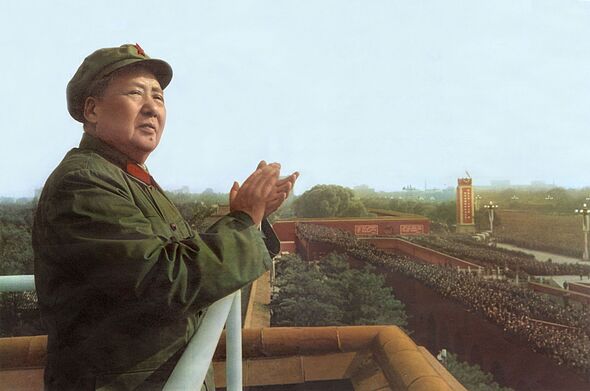
Rule:China (1949-1976)
Death Toll: ~40 million to 70 million
Primary Cause of Mortality: State-managed famine, ideological purges, labour camps and social upheaval
The founding father of the People’s Republic of China holds the highest estimated death toll attributable to a single leader. The vast majority of these deaths occurred during the “Great Leap Forward” (1958-1962), an aggressive campaign to rapidly transform China from an agrarian economy into an industrialised socialist society.
Farmers were forced into agricultural communes, private farming was banned and millions were diverted from agriculture to smelt useless “backyard iron.” Combined with forced grain requisitions based on falsified production reports, the policy created the deadliest man-made famine in recorded history, killing between 30 and 45 million people.
Mao maintained control through political violence and ideological purges. His regime sent millions of political class enemies to the Laogai (forced-labour camps).
In 1966, Mao launched the Cultural Revolution, mobilising youth paramilitaries known as the Red Guards to destroy traditional culture, attack authority figures and purge suspected “capitalist roaders” – causing widespread violence, persecution and social destruction until his death in 1976.