Parents have been urged to stop treating girl children as financial assets and instead prioritise their education, protection and wellbeing amid growing concerns over teenage pregnancies in Uganda.
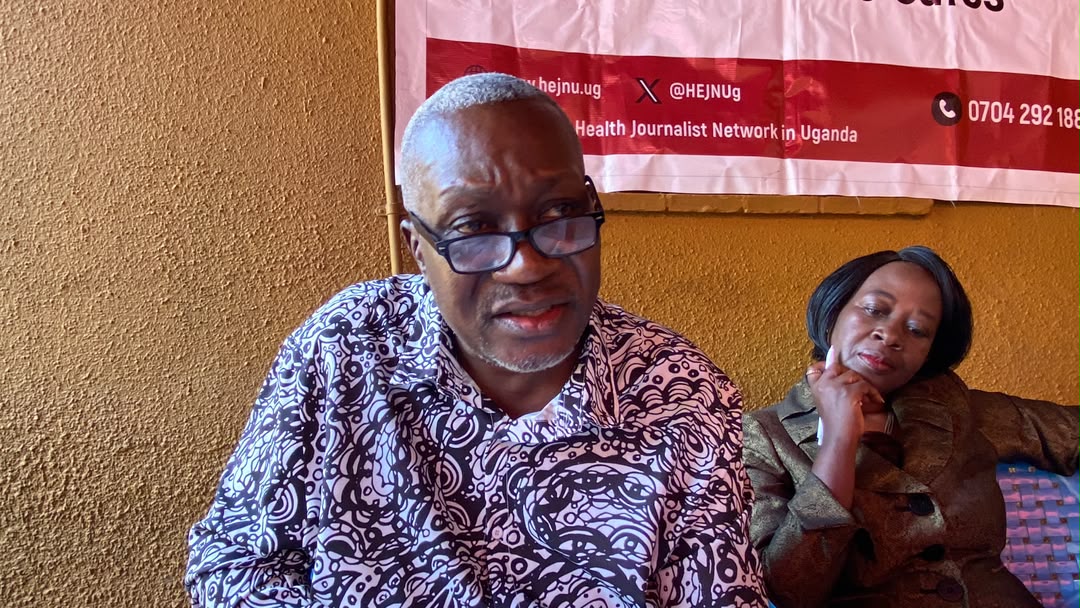
Francis Mondo Kyateka, the Assistant Commissioner for Children and Youth in the Ministry of Gender, Labour and Social Development, said some parents contribute to early pregnancies and child marriages by viewing their daughters as sources of wealth, sometimes pushing them into marriage before they are physically and emotionally mature.
Mondo made the remarks during a virtual training organised by the Health Journalists Network Uganda (HEJNU) for health journalists from across the country, aimed at strengthening media involvement in the fight against teenage pregnancies.
He called for a return to responsible family planning and proper parenting, arguing that families should have children they can adequately provide for and nurture.
Mondo revealed that the ministry is working on a proposed bill intended to strengthen family responsibility and address challenges arising from having children without the capacity to adequately care for them.
He said the proposed legislation is expected to promote responsible parenting and improve the welfare of children, while calling on communities to report men who sexually abuse underage girls.
“Parents should stop looking at the girl child as a source of wealth. Children deserve protection, education and proper care,” Mondo emphasised.
He warned men who engage in sexual relations with minors that they risk prosecution, urging relatives and community members not to conceal cases of defilement.
Mondo also disclosed that the ministry is working on proposed legislation to promote hygiene in households, saying improved sanitation and hygiene practices are essential in protecting children’s health and improving family welfare.
According to figures presented during the engagement, teenage pregnancies account for approximately 25 per cent, with an estimated 1,000 girls becoming pregnant daily in Uganda, citing UNICEF statistics for 2024/25.
The training is part of broader efforts by the Ministry of Health to reduce teenage pregnancies from more than 24 per cent to at least 15 per cent through public awareness, community engagement and improved access to information.
Dr Richard Kabanda, an official from the Ministry of Health, said journalists have an important role to play in changing public attitudes and educating communities about the dangers and consequences of teenage pregnancies.
Kabanda attributed the continued prevalence of teenage pregnancies partly to ignorance, extreme household poverty and limited participation in government programmes designed to improve family livelihoods.
He urged journalists to use their platforms to educate parents and communities about keeping children in school, fighting poverty and protecting young girls from sexual exploitation.
In Lyantonde District, the challenge remains a concern, with approximately 20 teenage pregnancy-related cases recorded every quarter, according to Brian Karamuzi, the district Senior Probation Officer.
Karamuzi, however, warned that the actual number could be higher because some cases go unreported, with families sometimes choosing to handle the matters privately instead of involving authorities.
He reminded the public that impregnating a girl below the age of 18 is a criminal offence, adding that turning 18 does not automatically mean someone is ready for marriage or parenthood.
Karamuzi appealed to relatives, neighbours and community leaders to report cases of child sexual abuse regardless of their relationship with the victims, saying silence and concealment make it harder for authorities to protect vulnerable children.
He urged communities to work closely with law enforcement and probation officers to ensure that perpetrators are held accountable and young girls receive the protection and support they deserve.